
The 2026 World Cup has begun in Mexico with plenty of debate still hanging over the tournament, but the opening matches quickly reminded everyone why football has such a powerful grip on people.
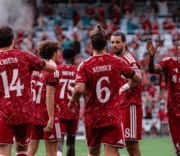
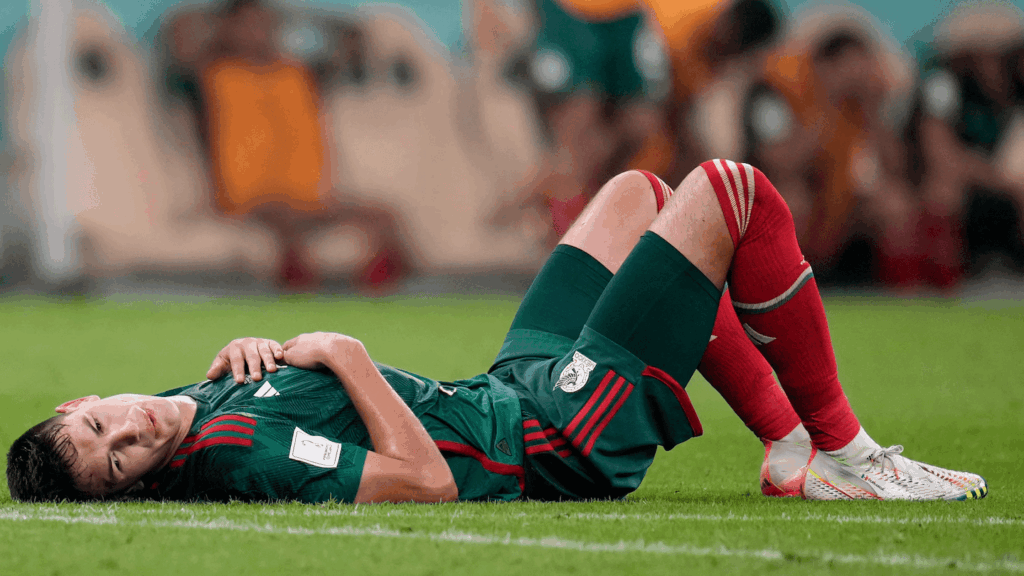
Three red cards, one VAR intervention, two Mexico goals at the Estadio Azteca, a painful start for South Africa midfielder Yaya Sithole and a deeply emotional World Cup goal for 35-year-old Raul Jimenez gave the tournament an eventful opening.
Then came the second Group A match, and it was even more entertaining. South Korea came from behind to beat Czech Republic in Guadalajara, backed by loud and passionate support. After all the noise around the tournament, the game itself finally had the stage.
Mexico and South Korea Bring the Focus Back to the Pitch
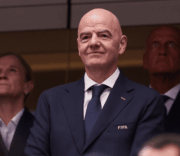
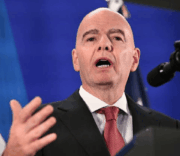
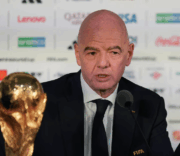
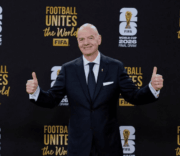
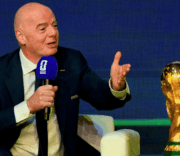
Before the ball could fully take over, there was the usual ceremony, the music, the celebrity presence and another appearance from FIFA president Gianni Infantino, who managed to be seen at both opening matches. His latest moment in front of the cameras came alongside Salma Hayek, but football soon did what it often does and became bigger than the names around it.
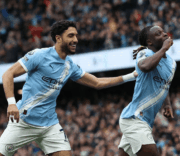
In-Beom Hwang and Kang-In Lee were outstanding for South Korea, while Julian Quinones produced a player-of-the-match display for Mexico. His performance showed how a World Cup can quickly raise a player’s profile, but it also triggered a detailed argument about playing out from the back.
Gary Neville felt South Africa midfielder Sithole had taken a poor touch and should have moved the ball simply to the centre-back before the team could build wide. Roy Keane saw it differently and blamed goalkeeper Ronwen Williams for choosing the wrong option so early in a World Cup match.
That level of detail might seem excessive, but this is what the World Cup does. The same pundits had started the broadcast discussing far wider issues, including United States foreign policy and the meaning of hosting such a global event. Soon after, they were analysing one pass from a goalkeeper and one touch from a midfielder.
A Tournament Full of Contrasts and Problems
That contrast is likely to follow the tournament throughout the summer. The World Cup is full of contradictions. On one side, it is football in one of its purest forms, without transfer fees, club ownership battles and the usual money-heavy structure of the club game. Players are not chasing contracts here. They are chasing memories, pride and history.
The Champions League may offer a higher technical level across a full season, but that has never been the whole point of football. Most supporters do not fall in love with the sport because their team can play like Paris Saint-Germain. They follow it because it gives them moments that feel personal.
For Jimenez, his goal brought tears. Neville described it as possibly the greatest moment of his football life. For Sithole, the same stage brought a nightmare moment. That is the World Cup in one frame. It can lift dreams, and it can crush them just as quickly.
At the same time, the tournament has another side. Ticket prices are extremely high, travel costs are difficult for many fans, and Infantino’s repeated claim that this is the biggest World Cup ever cannot hide the level of controversy around it. It may also become one of the most political editions in memory.
Politics Remain Impossible to Separate From Football
Football and politics have always been difficult to separate, especially at World Cups. Comparisons with Qatar and Russia are natural, but this problem goes much further back. In 1934, Benito Mussolini used the World Cup in Italy as a tool for image-building and propaganda.
This year, the political tension feels especially sharp because one of the host nations is in direct military conflict with a visiting country. Iran have already had to relocate their training base across the border to Tijuana.
There have also been uncomfortable scenes around security checks involving Senegal and Uzbekistan players. For some people involved, the freedom to travel and take part in the tournament has looked far less simple than the entertainment on the pitch might suggest.
Andrew Giuliani, executive director of the White House Task Force, spoke about prioritising the safety of Americans. That might sound routine until you remember he was discussing Switzerland striker Breel Embolo.
Even more striking was the case of Somali referee Omar Artan, who was denied entry to the United States. Giuliani said the country would not allow a football tournament to become an opportunity for terrorists to enter. UEFA has since appointed Artan to referee the Super Cup in Salzburg in August, which adds an awkward note to the situation.
It also says plenty about the games being played away from the pitch by football’s powerbrokers. Those who have seen FIFA’s own film about itself will know how much the men in suits seem to believe they created the sport. In reality, football created their platform.
The Game Still Has the Power to Carry the Summer
Despite all the distractions, the sport still has its pull. That is why there is hope, and maybe even belief, that the matches can rise above the controversy. The quality may not always match the very top level of club football, especially with the expanded format, but the stories should make up for that.
There will be plenty of emotion across the next six weeks. Haiti will face Brazil, Cape Verde will meet Spain, and Curacao will take on Germany, and those are only first-round group games.
There are 12 groups in total, with each one featuring teams from at least three continents. That gives the tournament a genuine global feel. There will be surprises, celebrations and heartbreak, not only inside stadiums but also in squares, streets and homes around the world.
The final will be played next month at the Meadowlands in New Jersey, but starting in Mexico City was a smart choice. The Estadio Azteca carries rare weight in World Cup history, with memories of Pele in 1970 and Diego Maradona in 1986 still attached to the place.
These first two games were not at that level, of course. But a modest Mexico side beginning with a win and South Korea’s comeback joy in Guadalajara were still enough to remind people why this tournament matters. Two matches are done, 102 remain. The World Cup is here, and football has already started to take control.