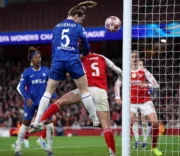

January transfers are rarely smart business. The winter window inflates prices by about 20% compared to summer deals, and history shows limited long-term impact. Studies indicate roughly half of strikers signed in January score zero goals from arrival to season’s end. Big winter signings seldom carry teams to titles they wouldn’t have won otherwise. Yet Premier League clubs spent over €400 million this month, far outpacing other leagues, reflecting the league’s extreme competitiveness and rewards for higher finishes.
This ranking assesses all 20 teams from least to most desperate based on their January activity and underlying needs.
Least Desperate: Liverpool and Arsenal Stay Calm
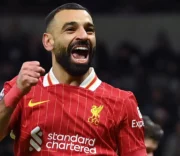
Liverpool faced injuries, a tight race for Champions League spots, and a strong shot at the title, yet signed nobody. They agreed a €60m deal for Rennes centre-back Jérémy Jacquet, but he joins only in summer. This mirrors past resilience, like qualifying for Europe with makeshift centre-backs. No panic despite summer spending and departures.
Arsenal boast depth across positions and remain clear favourites to win the league, even after a recent loss. Their position strengthened further with rivals dropping points. No urgent need for additions.
Newcastle’s approach remains puzzling under Saudi ownership. Despite potential, they avoided heavy spending, showing restraint rather than desperation.
Mid-Table and Bottom: Minor Moves or Resignation
At the lower end, Wolves and Burnley made small adjustments but appear resigned to relegation. Wolves’ major transaction was outgoing: Jørgen Strand Larsen to Crystal Palace for nearly €50m. Both clubs focused on tweaks rather than desperate overhauls.
The Premier League’s wealth and high stakes drive spending, but January desperation often leads to overpaying for limited returns. Clubs that stayed quiet may prove wiser in hindsight, while heavy spenders risk regret when new signings underperform under pressure. The true test comes in the run-in to May.