
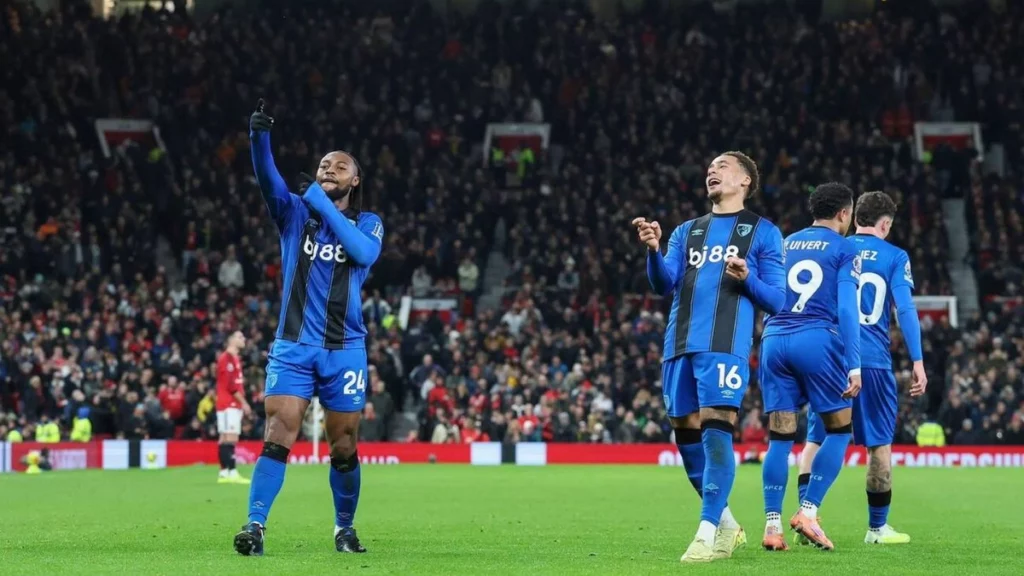
Manchester United and Bournemouth delivered one of the most entertaining matches of the Premier League season, sharing points in a 4-4 draw that featured constant momentum shifts and brilliant individual moments. Ruben Amorim’s team arrived at the game amid talks of tactical evolution, especially with key players like Bryan Mbeumo and Amad set to depart soon for international duty. Reports earlier that day highlighted how the coach had dedicated substantial training time to drilling a potential switch to a 4-3-3 setup. This high-scoring encounter underlined that any transition for United could involve some challenging adjustments along the way.
The encounter proved so intense and unpredictable that it defied any single overarching theme. Attempting to highlight just one aspect would overlook others equally compelling. What follows is an overview of the tactical observations, particularly around Amorim’s adjustments, drawn from the early stages before the game exploded into further twists.
Initial Tactical Experiments by Amorim
Back in the autumn, Amorim had publicly stated his firm commitment to the 3-4-2-1 formation, joking that no one could sway him from it. Yet in this fixture, observers quickly noticed variations in United’s setup right from the start. Questions arose about whether the team had lined up in a 4-3-3, with players like Leny Yoro and Diogo Dalot positioned as traditional full-backs, or if certain movements hinted at other shapes.
In reality, the setup combined elements of multiple systems. Positional data from the opening period showed typical locations during possession, but the players shifted so dynamically that it resisted simple categorization. Bournemouth’s manager Andoni Iraola later acknowledged this adaptability, noting how his side had to constantly adjust marking responsibilities. He praised the versatility, explaining that depending on how they pressed United’s wide players, the hosts could drop deeper or push higher, effectively altering their defensive structure.
Amorim has long favored systems that morph based on opposition reactions, and this match showcased that quality effectively in the early going. Shifting to a four-man defense proved particularly useful, limiting Bournemouth’s flank attacks while allowing threats like Amad — positioned more centrally and advanced — to exploit spaces. His early goal came from a close-range finish, and he remained a persistent danger. These modifications dominated discussions until Bournemouth responded with their own changes.
Challenges in Maintaining Control Amid Intensity
The fluid nature of United’s approach created opportunities but also exposed vulnerabilities as the game progressed. While the initial half-hour suggested promise in the new variations, the relentless pace meant advantages were short-lived. Both sides traded blows, with quick transitions preventing either from settling.
Ultimately, the draw highlighted the difficulties of implementing changes mid-season, especially under pressure from upcoming absences. Amorim’s willingness to adapt offered encouraging signs for attacking play, yet defensive solidity remained an area needing refinement to turn such spectacles into victories.