
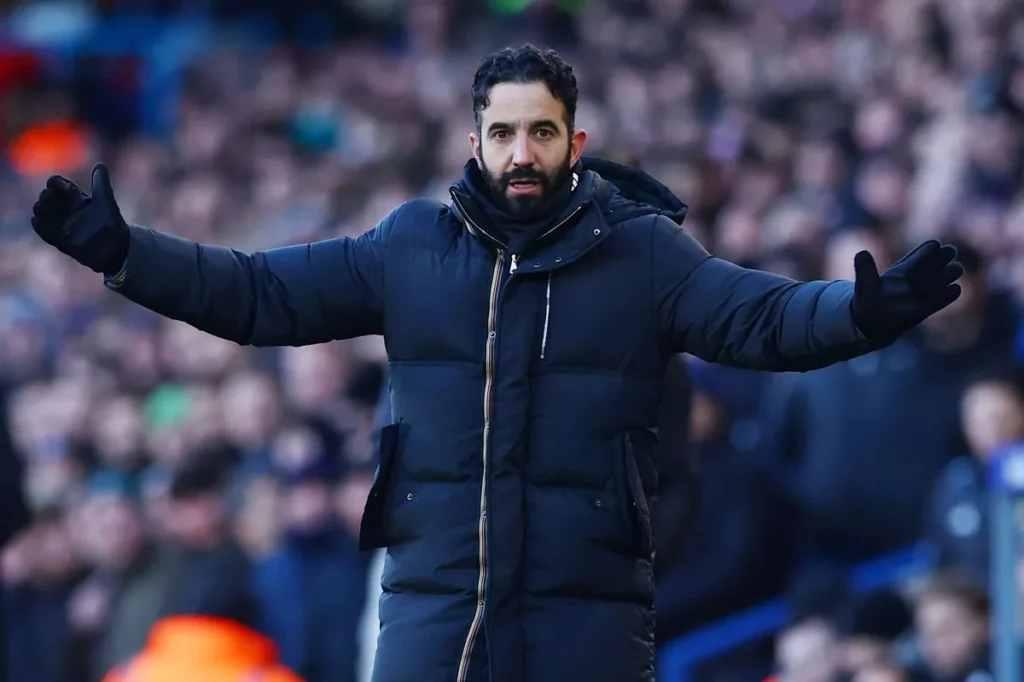
From the outset, questions surrounded the choice of Ruben Amorim as Manchester United’s head coach. Shortly after Sir Jim Ratcliffe assumed oversight of football operations in early 2024, he told executives that the team’s playing style would be shaped internally. It raised eyebrows, therefore, when Ratcliffe selected Amorim from Sporting CP following Erik ten Hag’s departure in November 2024, given the Portuguese coach’s firm commitment to a 3-4-3 setup and limited flexibility.
Concerns were voiced immediately: rebuilding the squad around his preferred system would demand substantial investment the club could not afford. Additional worries included potential disruption to academy pathways and the relative inexperience of the staff Amorim planned to bring from Portugal. Ratcliffe pressed forward regardless. After 14 months, the experiment ended with Amorim dismissed, having recorded just 24 wins from 63 matches and a win percentage of 31.9, the poorest of any permanent manager since Sir Alex Ferguson’s retirement.
Breakdown in Relationships and Final Trigger
The dismissal was delivered in person on Monday morning by CEO Omar Berrada and football director Jason Wilcox at the Carrington training complex. It came less than a day after Amorim’s fiery post-match press conference following a 1-1 draw against Leeds, where he demanded recognition as the full manager and told senior figures to focus on their own responsibilities.
Officials maintained that insufficient progress on the pitch was the primary factor, with Amorim managing only 15 Premier League victories in 47 attempts. Yet the rapid timing after his public criticism hinted at irreparable tensions, particularly with Wilcox.
Those initial reservations also factored into Dan Ashworth’s exit as sporting director in December 2024, after he advocated for a candidate with proven Premier League credentials. Interestingly, the club later spent heavily on established top-flight players like Bryan Mbeumo and Matheus Cunha, applying logic not extended to the managerial appointment.
Tactical Rigidity and Squad Dynamics
Players greeted Amorim’s arrival positively, eager for change after Ten Hag’s intense regime. His strong communication stood out immediately, but training sessions often felt rudimentary, centred on drilling the 3-4-3 formation through repeated walkthroughs.
Over time, his refusal to deviate from the system became problematic. Although he initially suggested openness to evolution, he rarely acted on it. The core complaint was not simply three versus four at the back, but a tendency toward caution that prevented the team from controlling games proactively.
A pivotal clash happened after a draw with Wolves, when Wilcox gently urged a bolder approach. Amorim responded emotionally, fitting a recent pattern of rejecting constructive input. Many inside the club felt his approach had grown fearful of Premier League demands, focusing on containment even against struggling sides.
Amorim himself harboured doubts, requiring encouragement to stay on during a rough spell in early 2025. He privately described the squad as mentally fragile and lacking physical edge, introducing extra gym sessions. Publicly, some of his candid assessments, including labelling the team among the club’s worst ever, upset players. He used media interviews to motivate, but this occasionally caused issues, prompting edits to broadcasts.
While more hands-off than Ten Hag, Amorim implemented bonding initiatives such as a leadership council, increased fan engagement, and team events. He emphasised unity but would have preferred a more seasoned group over the youthful roster he inherited.
Recruitment Frictions and Closing Chapter
Transfer disagreements surfaced quickly. Designated head coach rather than manager, Amorim nonetheless stressed his influence over signings. The club prioritised potential in young arrivals like Benjamin Sesko and Senne Lammens, bypassing older, proven targets he favoured, such as Ollie Watkins or Emi Martinez.
Amorim grew frustrated at the rigid long-term policy while being asked to show tactical adaptability himself. A failed pursuit of Antoine Semenyo in January compounded matters amid widespread injuries.
Following an intense meeting with Wilcox and a strained press appearance, Amorim’s outspoken comments after the Leeds game effectively marked his farewell. What began optimistically in November 2024 concluded on a frosty note, leaving Ratcliffe, Berrada, and Wilcox to identify a successor capable of restoring belief among supporters.