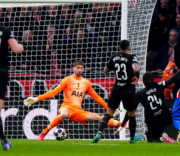


England’s final match before Thomas Tuchel names his World Cup squad ended in frustration, with Japan leaving Wembley with a 1 0 win and the home side offering very little to suggest they are close to a settled attacking formula.
For Tuchel, this was supposed to be one last look at several players fighting for important roles. Instead, the match seemed to underline something less encouraging: England look far weaker when too many big names are used outside their most natural positions.
Tuchel tried to fit too many creators into one team
One of the clearest themes of the night was Tuchel’s attempt to use several of his attacking playmakers together. Phil Foden, Cole Palmer and Morgan Rogers all started, but the idea never really worked and England looked unbalanced from the opening stages.
Rather than giving the team more creativity, the setup made England feel crowded in some areas and empty in others. The coach has often preferred more clearly defined roles in previous camps, and this performance suggested there may be a good reason for that.
Palmer and Foden failed to seize their chance
With Harry Kane unavailable and other important players missing, the spotlight fell heavily on Palmer and Foden. Both had a chance to strengthen their case before the World Cup, but neither managed to make the kind of impact Tuchel was hoping for.
Palmer struggled badly in the first half and was directly involved in the sequence that led to Japan’s winning goal. His passing lacked sharpness and he never seemed fully in control of the game.
Foden, meanwhile, was asked to operate as the central forward, but the role did not suit him. He had moments where he tried to connect play, yet England clearly missed a true number nine who could occupy defenders and attack crosses naturally.
Japan punished England and looked more coherent
The visitors were not spectacular throughout, but they were more organised, more purposeful and more comfortable in their structure. Kaoru Mitoma stood out as the game’s most dangerous attacker and was decisive in the winning move.
After taking the ball from Palmer in midfield, he drove forward, combined well and finished the attack with composure. It was a goal that summed up the difference between the teams: Japan looked clear in their ideas, while England often looked unsure of theirs.
England improved only slightly after the changes
Tuchel reacted before the hour mark by taking off both Foden and Palmer. Their replacements, Jarrod Bowen and Dominic Solanke, brought more natural balance to the attack and gave England at least a slightly more logical shape.
Even then, however, the team never truly built sustained momentum. There were moments of pressure and a few signs of life, but Japan’s defensive line was rarely stretched enough and the equaliser never really felt close.
The match may shape Tuchel’s final decisions
While friendlies do not define tournaments, they can influence selection and sharpen the direction of a coach’s thinking. This defeat may do exactly that for Tuchel.
If the game moved anything forward, it was probably the idea that England cannot afford to squeeze too many attacking names into the same side just because of reputation. Tougher choices may be needed, and one or two high profile omissions may become more likely.
A warning before the World Cup, not a disaster
This result will not decide England’s summer, but it did cool the mood around the team. The performance lacked intensity, fluency and identity for long stretches, and Wembley responded with frustration by the end.
For Japan, it was an impressive and deserved victory. For England, it was a reminder that talent alone is not enough. If Tuchel wants a team capable of going deep at the World Cup, he may now be even more convinced that clarity matters more than squeezing every famous name into the lineup.