
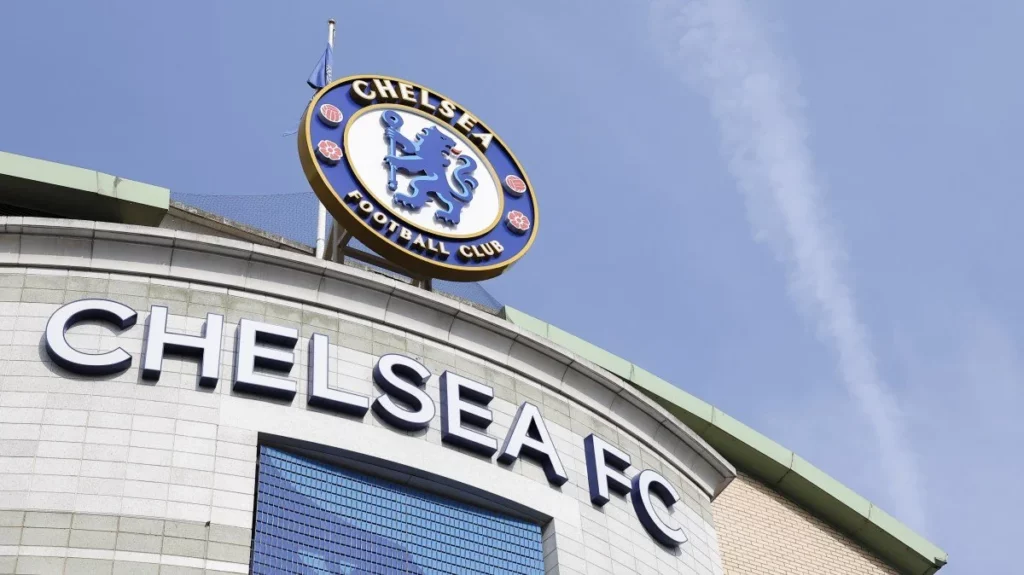
Chelsea have been hit with a £10.75 million fine and a suspended transfer ban after the Premier League found that hidden payments were used through connected third-party companies during the Roman Abramovich years to help complete player transfers.
The ruling offers a clearer picture of how part of Chelsea’s squad building worked in that period. League findings say the club’s transfer business involved concealed financial arrangements, with more than £47 million in secret payments made over eight years. Some of that money went to unregistered agents, while other sums were hidden through entities linked to Abramovich.
Hidden transfer payments come back into view
The case covers deals involving several major names from that era, including Eden Hazard, David Luiz, Nemanja Matic, Willian, Ramires and Samuel Eto’o. The players themselves have not been accused of any wrongdoing, and there is no claim that they knew about the payments.
During the years at the center of the investigation, from 2011 to 2018, Chelsea won two Premier League titles, the Champions League, the FA Cup and the League Cup. The Premier League has not said those trophies should be viewed as invalid. Still, the findings raise fresh debate over how important those undisclosed payments were in helping bring key players to Stamford Bridge.
Why Chelsea avoided a points deduction
Unlike Everton and Nottingham Forest, Chelsea were not docked points. According to the league, even if the payments had been made directly by the club and properly recorded, Chelsea still would not have broken profit and sustainability rules.
That is why the punishment centered on a financial penalty and a sporting sanction tied to transfers instead of points being taken away. The transfer ban lasts one year, but it has been suspended for two years because the club was credited with exceptional cooperation during the investigation.
The fine itself will be covered by money already set aside during the 2022 sale of the club. Around £150 million had been reserved for possible penalties when Abramovich was forced to sell Chelsea after being sanctioned by the UK government following Russia’s full-scale invasion of Ukraine.
New ownership helped reduce the punishment
The hidden payments came to light during the takeover process. Chelsea’s new ownership then reported the issue to football authorities on its own, which played a major role in reducing the severity of the outcome.
The Premier League said the punishment would have been much harsher without that cooperation. The fine could have been twice as high, and the transfer ban would have started immediately next season if the current owners had not disclosed the matter straight away. The club also handed over thousands of pages of documents to investigators.
This brings the Premier League side of the case to an end after four years, following an earlier related UEFA fine of €10 million. Chelsea could still face further action from the Football Association over 74 alleged rule breaches, so the matter may not be fully closed yet.
Manchester City verdict now faces even more scrutiny
Chelsea’s case has also sharpened attention on Manchester City’s unresolved legal battle with the Premier League. The football world is still waiting for a final decision almost eight years after the first allegations of financial misconduct surfaced.
City are contesting around 130 charges and maintain their innocence. The commission hearing finished 15 months ago, but there has still been no verdict. One factor often cited for the delay is the issue of cooperation, with City accused by the league of failing to fully assist the process.
Chelsea’s outcome suggests that lack of cooperation would not automatically lead to a points deduction on its own. Instead, the ruling indicates that financial penalties and transfer restrictions can also be used more heavily where cooperation is missing.
For Chelsea, the club can now look ahead, but the Abramovich period is still casting a shadow. The former owner has not publicly answered the allegations, and he remains locked in a dispute with the UK government over releasing proceeds from the club sale to support victims of the war in Ukraine. For supporters who remember the trophies from that era, this ruling is a reminder that the success of those years is still being examined through a much darker financial lens.