
A sweeping reset after Ireland that risks looking improvised
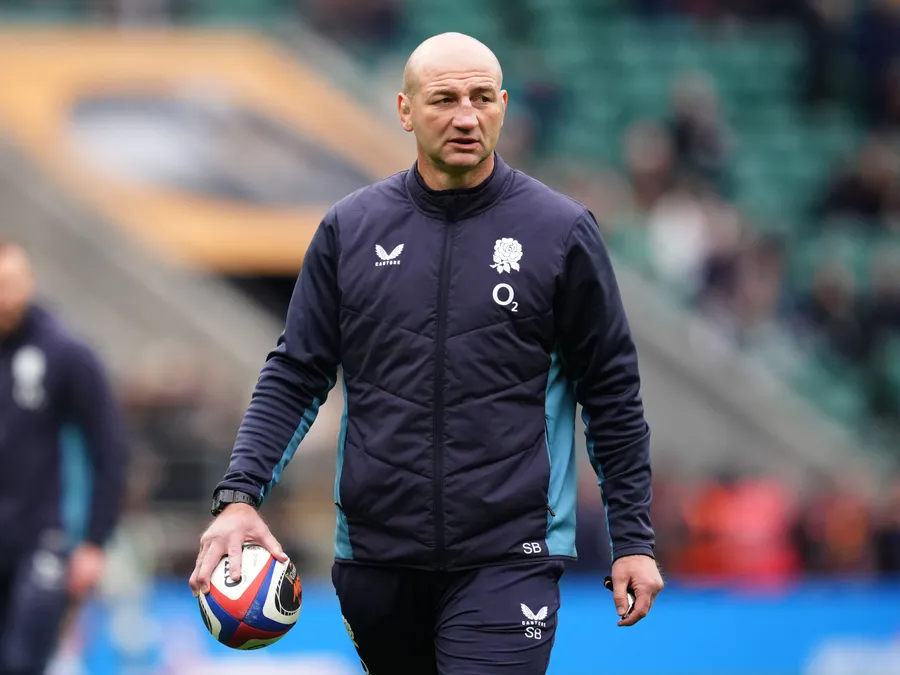
Steve Borthwick has responded to England’s flat performance against Ireland with a dramatic overhaul that feels more like a spring clean than a minor adjustment. He has made 12 changes to his team, including three positional switches, leaving only three players in the same shirts they wore in the Ireland match. It is one of the biggest mid tournament shake ups seen in the Six Nations era and has immediately triggered debate about whether it is decisive leadership or a sign that patience has finally run out.
The new look is undeniably fresher, but it also looks stitched together in places. Entire combinations have been rebuilt at once, meaning the half backs, midfield pair and back three have not played together as Test units. That raises the obvious question of cohesion, especially when England are expected to win and have little margin for another underwhelming display.
Key contradictions in the backline changes
The selection also creates a few awkward talking points. If Ben Spencer is now the starting scrum half because Alex Mitchell is injured, it suggests England might lean more heavily on a kicking based approach. But if that is the plan, it becomes harder to explain why George Ford, widely viewed as the best tactical kicker at fly half, has been left out.
There are also club connection choices that seem inconsistent. Borthwick has brought back Northampton players at 10 and 13, yet moved Fraser Dingwall away from the 12 shirt, despite the potential value of familiar relationships in a newly assembled backline. And if Fin Smith and Tommy Freeman are both selected, it naturally strengthens the argument for George Furbank at full back, yet Elliot Daly gets the nod instead.
It all feeds the impression of a sharp mid tournament U turn that must deliver immediately. England are not making changes for development matches. They are doing it with results on the line, in a competition where expectations remain high.
Italy as the opponent, and pressure to show more edge
England could still win comfortably against Italy, a side that has never beaten them in 32 attempts across 35 years. But the point of the criticism is not the historical record. It is that England have recently lacked energy, aggression, and clear intent, and those issues cannot be solved by reshuffling names if the collective performance stays the same.
There is also added attention around camp, with Thomas Tuchel visiting a training session, a reminder that the wider England sporting landscape understands the same reality. When England underperform repeatedly, scrutiny turns quickly toward selection and decision making.
Borthwick’s argument is that many of these players have been training together for weeks as a unit against the likely starters, so the familiarity is stronger than it appears from the outside. That may help the new group settle faster, but it remains a risk until it is proven on the field.
One potential upside is opportunity for players such as Seb Atkinson, who impressed last summer but lost momentum due to injury. He offers ball carrying and defensive bite that England have missed. Even so, with such a large reset, the central issue remains simple. If England lose, the spotlight will land not only on the players, but on the judgment behind a selection that has raised as many questions as it has created excitement.